Research
Our research develops next-generation computational mechanics methods and applies them across three intersecting paradigms. We use finite element methods as the core analytical framework, integrating classical, data-driven, and quantum-inspired approaches.
Quantum Computing
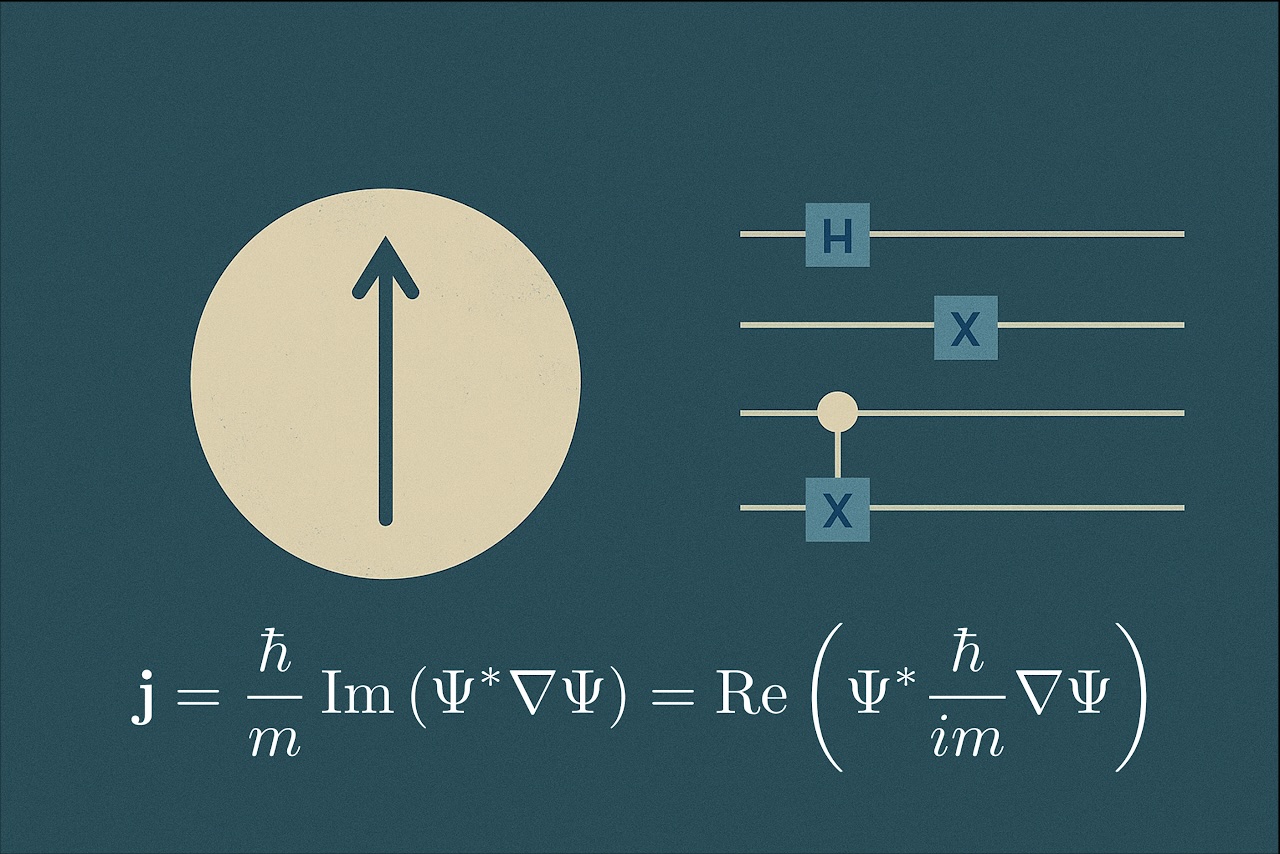
We explore how quantum algorithms can exceed classical computing limits for engineering mechanics problems. Our focus includes quantum simulation of quantum-scale material interactions and quantum-enhanced approaches to chaotic fluid dynamics. This emerging paradigm promises exponential speed-ups for certain classes of mechanics problems that are intractable with classical hardware.
Key topics:
- Quantum algorithms for materials simulation
- Quantum-enhanced fluid dynamics solvers
- Hybrid classical-quantum computational workflows
- Benchmarking quantum advantage for mechanics
Data-Driven Computing
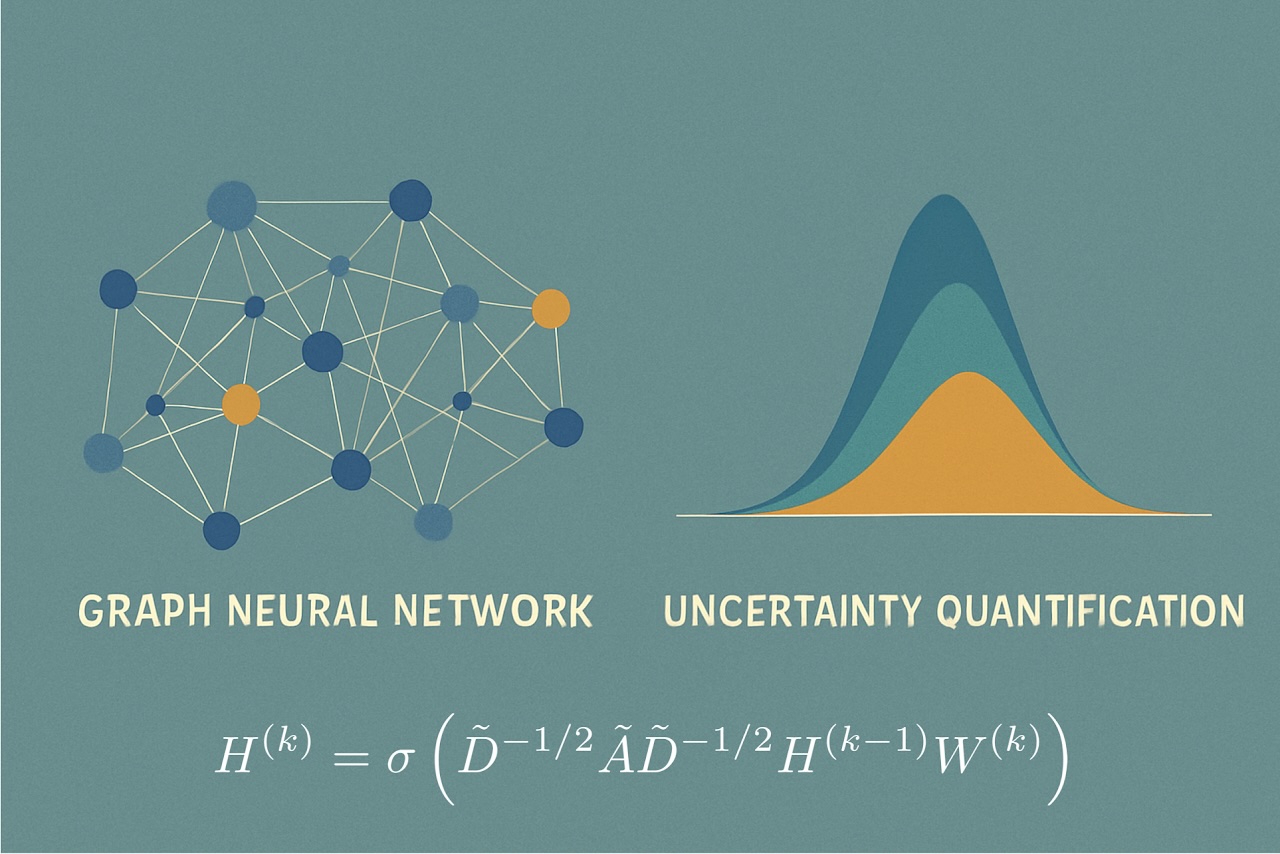
We develop graph neural network architectures and uncertainty quantification frameworks for biomedical engineering mechanics. Our data-driven methods learn material constitutive relations, surrogate models for expensive FEM simulations, and physics-informed representations that remain robust under distributional shift.
Key topics:
- Graph neural operators for wave-structure interaction
- Uncertainty quantification in computational fluid dynamics
- Surrogate modelling for multi-physics systems
- Physics-informed neural networks
Application highlights: Cardiovascular biomechanics Ophthalmology Wave-structure interaction
Classical Computing — Finite Element Methods
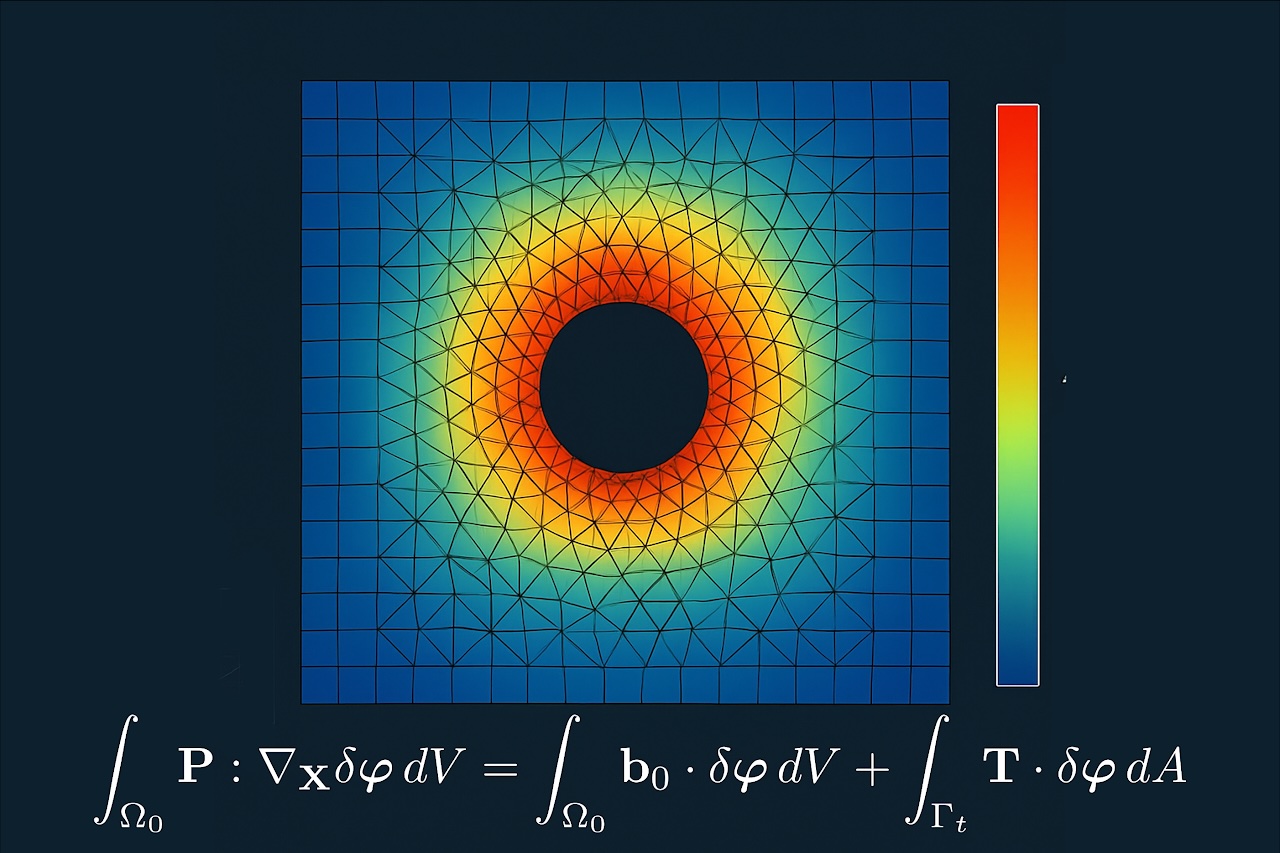
High-fidelity finite element modelling underpins all our work. We develop novel FEM formulations — particularly based on the Absolute Nodal Coordinate Formulation (ANCF) — for large-deformation structural mechanics, contact problems, and coupled multi-physics systems. Our contributions include locking-free beam and plate elements, advanced contact descriptions, and mesoscale constitutive models for soft matter.
Key topics:
- ANCF-based beams, shells and continuum elements
- Large-deformation contact and impact mechanics
- Fluid-structure interaction (FSI)
- Multi-scale constitutive modelling of soft materials
- pH-sensitive hydrogels and smart materials
Application highlights: Aeroelasticity Haemoelasticity Space structures Soft tissue biomechanics Woven fabrics